Define Uninterrupted Power Supply: The Ultimate Guide to Reliable Power Protection

Introduction to Uninterrupted Power Supply Systems
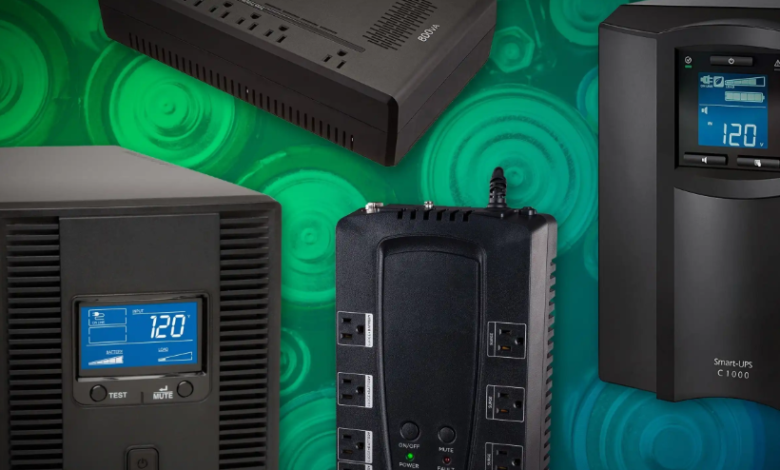
To define uninterrupted power supply, we must first understand the growing dependence on electrical devices in modern life. From computers and servers to medical equipment and security systems, uninterrupted electricity is essential. Even a short power outage can cause data loss, equipment damage, or operational failure. This is where an uninterrupted power supply, commonly known as a UPS, becomes a vital solution.
An uninterrupted power supply ensures that electrical devices continue to receive power even when the main supply fails. It acts as a bridge between a power outage and backup generators or safe system shutdowns. Today, UPS systems are widely used in homes, offices, data centers, and critical industries.
What Does It Mean to Define Uninterrupted Power Supply?
Basic Definition and Core Purpose
To define uninterrupted power supply, it is an electrical device that provides immediate backup power to connected equipment when the main power source fails or fluctuates. Unlike generators, a UPS delivers power instantly, without any delay.
The primary purpose of a UPS is to:
- Prevent data loss
- Protect hardware from damage
- Maintain system uptime
- Allow safe shutdown of devices
This instant response makes UPS systems especially valuable for sensitive electronics.
See also: Instant Dessert Fix: Making Fruit Custard with Groceries Delivered in Minutes
Why Power Continuity Matters
Power interruptions are more common than many people realize. Voltage drops, surges, and blackouts can harm electronic components over time. When we define uninterrupted power supply, we also define reliability, safety, and continuity. In critical environments like hospitals and data centers, even a few seconds of power loss can be life-threatening or financially disastrous.
How an Uninterrupted Power Supply Works
An uninterrupted power supply continuously monitors incoming electricity and reacts instantly when a problem occurs.
Main Components of a UPS
Rectifier and Charger
The rectifier converts incoming AC power into DC power. This DC power charges the battery and supplies energy to the inverter.
Battery System
The battery stores electrical energy. When the main power fails, the battery instantly supplies power to the inverter.
Inverter
The inverter converts DC power from the battery back into AC power, which is then supplied to connected devices.
This seamless process ensures there is no interruption in power delivery.
Types of Uninterrupted Power Supply Systems
Offline (Standby) UPS
This is the most basic type. It switches to battery power only when a power failure occurs. It is commonly used for personal computers and home electronics.
Line-Interactive UPS
This type can regulate voltage fluctuations without switching to battery power. It offers better protection and efficiency for small offices and network equipment.
Online (Double Conversion) UPS
An online UPS provides continuous power from the inverter, offering the highest level of protection. It is ideal for data centers, hospitals, and industrial applications.
Applications of Uninterrupted Power Supply
Home and Personal Use
UPS systems protect computers, Wi-Fi routers, and entertainment systems from sudden shutdowns and data loss.
Business and Office Environments
Businesses rely on UPS systems to keep servers, point-of-sale systems, and communication tools running during outages.
Industrial and Healthcare Facilities
Hospitals, factories, and laboratories use high-capacity UPS systems to ensure safety, precision, and uninterrupted operations.
Advantages and Limitations of UPS Systems
Key Benefits
- Instant backup power
- Protection against voltage surges
- Prevents data corruption
- Improves equipment lifespan
Common Limitations
- Limited runtime
- Battery replacement costs
- Higher cost for advanced systems
Understanding these factors helps users make informed decisions.
Factors to Consider When Choosing a UPS
When selecting a UPS, consider:
- Load capacity (VA or watts)
- Required runtime
- Type of equipment
- Environment and usage
- Scalability and maintenance
Reliable manufacturers and certifications also play a crucial role. For technical standards, you can refer to guidance from organizations like the IEEE (https://www.ieee.org).
Maintenance and Safety Best Practices
Proper maintenance ensures long-lasting performance:
- Test batteries regularly
- Keep the UPS in a ventilated area
- Avoid overloading
- Replace batteries as recommended
Routine checks help prevent unexpected failures.
Frequently Asked Questions (FAQs)
1. Why is it important to define uninterrupted power supply clearly?
It helps users understand how UPS systems protect equipment and ensure continuous power.
2. Is a UPS the same as a generator?
No, a UPS provides instant power, while generators take time to start.
3. How long can a UPS supply power?
Runtime depends on battery size and connected load, usually from a few minutes to several hours.
4. Can a UPS protect against power surges?
Yes, most UPS systems include surge protection features.
5. Where is an uninterrupted power supply most commonly used?
Homes, offices, data centers, hospitals, and industrial facilities.
6. How often should UPS batteries be replaced?
Typically every 3–5 years, depending on usage and environment.
Conclusion
To define uninterrupted power supply is to understand a critical technology that ensures reliability, safety, and continuity in a power-dependent world. From protecting personal devices to supporting life-saving equipment, UPS systems play an essential role in modern infrastructure. Choosing the right UPS and maintaining it properly can prevent losses, extend equipment life, and provide peace of mind during unexpected power disruptions.