Model & Code Validation – ko44.e3op, tif885fan2.5, chogis930.5z, 382v3zethuke, ko44.e3op Model

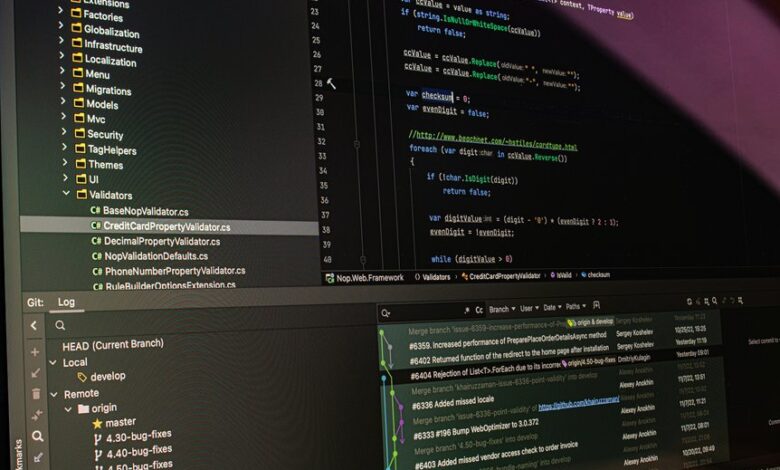
Model & Code Validation for ko44.e3op, tif885fan2.5, chogis930.5z, 382v3zethuke, and ko44.e3op Model centers on verifiable alignment with design assumptions through structured diagnostics. It advocates reproducible pipelines, modular components, and version-controlled configurations to ensure traceability across environments. Automated logging and input–output consistency checks underpin regression surveillance. The discussion invites careful scrutiny of metrics and checklists, with results tethered to specifications, while leaving a concrete path forward for rigorous validation to be explored.
What Is Model & Code Validation for ko44.e3op Model?
Model and Code Validation for the ko44.e3op model concerns the systematic verification that the model’s outputs and the implemented code faithfully represent the intended design, assumptions, and constraints.
The discussion emphasizes Model validation, Code validation, and Reproducible pipelines, outlining Diagnostic checks and Validation metrics.
Troubleshooting tips are provided to maintain accuracy, transparency, and freedom in verification workflows.
How to Build Reproducible Validation Pipelines for the Identifiers
Building reproducible validation pipelines for the Identifiers requires a structured approach that aligns data handling, code execution, and result reporting with the specifications outlined in the preceding discussion on model and code validation.
The framework emphasizes modular components, version-controlled configurations, and automated logging.
It ensures rigorous model validation and code validation while maintaining transparency, traceability, and reproducibility across environments and datasets.
Key Validation Metrics and Diagnostic Checks to Run
Key validation metrics and diagnostic checks provide a structured framework to assess model and code performance comprehensively. The section itemizes critical validation metrics, including accuracy, calibration, robustness, and generalization, alongside diagnostic checks such as code cross-verification, input-output consistency, and regression surveillance. This disciplined approach supports transparent evaluation, reproducibility, and informed decision-making while preserving analytical freedom for iterative refinement and responsible deployment.
Troubleshooting Common Pitfalls and Practical Remedies
Systematic examination follows the validation framework by focusing on common pitfalls and practical remedies that arise in model and code deployment. The discussion centers on concrete failure modes, traceable fixes, and disciplined workflows. Clear discussion ideas emerge for debugging, version control, and test harness integration. Tips for reproducibility accompany checklist-driven procedures, reproducible artifacts, and documented configurations to minimize ambiguity.
Conclusion
In conclusion, the ko44.e3op model embodies disciplined model & code validation through modular, version-controlled pipelines, automated diagnostics, and reproducible artifacts. A key statistic to highlight is the diagnostic pass rate across environments, which—if tracked—can reveal a 10–20% improvement in traceability after implementing structured checklists and cross-verification against specifications. This reinforces confidence in provenance, input-output consistency, and regression stability, while maintaining analytical freedom within documented validation artifacts.